
More Than an Architect’s Wife: The World of Marcella Rae Dekker
J. Padilla
4/2/20266 min read
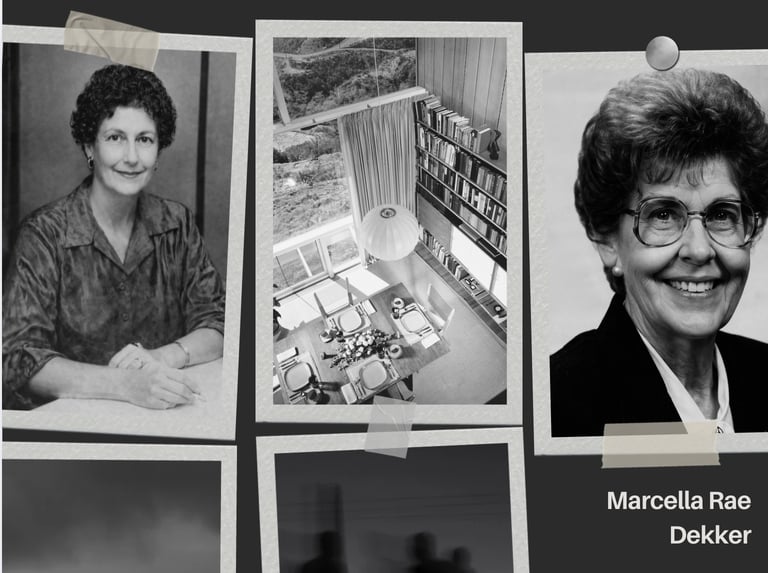
Most of the Dekker House story has centered on its engineering, its midcentury modern lines, and the architect behind it all, Arthur W. “Art” Dekker. But because this was also the family’s home for roughly 15 years, it feels right to ask about the woman who moved through these rooms every day, raising four children and quietly shaping the life lived inside the architecture.
In early research, references to her appeared only as “Mrs. Arthur Dekker,” a familiar framing for women of the 1950s and 1960s. It took more digging to uncover her full name, Marcella Rae Ulrey, and the rich, independent story she carried into the house long before anyone called her “Mrs. Dekker.”
Early Years and Education
Marcella Rae Ulrey was born in November 1921 in Woodward, Oklahoma, to Ray and Pearl Ulrey. She spent parts of her childhood and young adult life in Texas and Kansas, eventually graduating from Kansas State University and completing an internship at Johns Hopkins Hospital, where she became a registered dietitian.
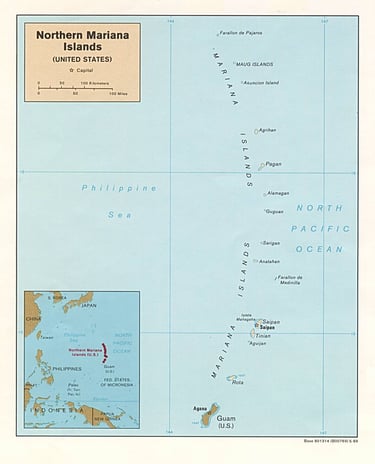
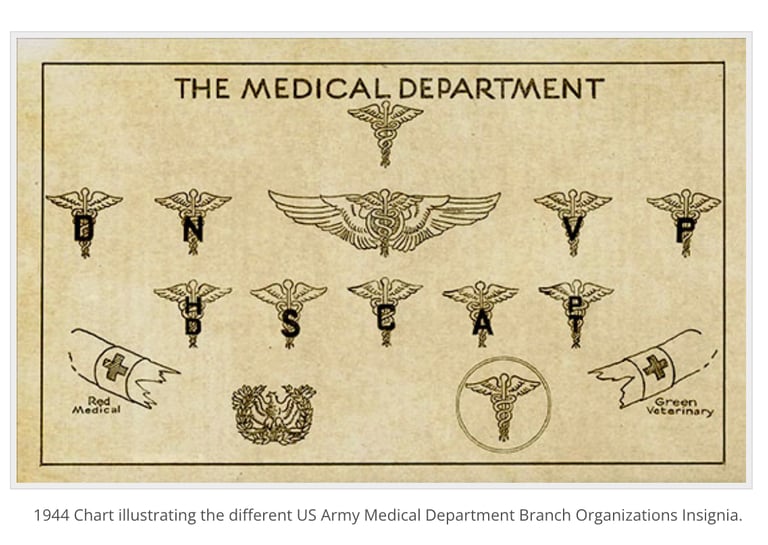
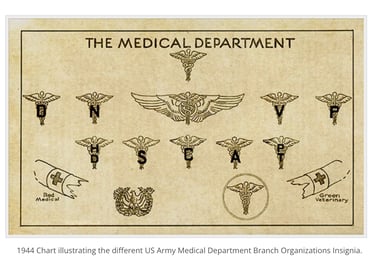
During World War II she was commissioned a Second Lieutenant in the U.S. Medical Corps, serving in hospitals in Texas, Saipan (Mariana Islands), New Jersey, and Massachusetts—far from the quiet residential street in Albuquerque where she would later build a life.
Meeting Arthur and Coming to Albuquerque
Marcella met Arthur Dekker in the Mariana Islands in 1945, when she was serving as a dietitian with the 369th Station Hospital and he was a cryptographer with the 147th Airways and Air Communications Service. The two later reunited as students at the University of Kansas in Lawrence, where they married in October 1946.
Arthur had grown up in Roswell, NM, and the couple eventually settled in Albuquerque, where he began his engineering and architecture career and later established his own firm. The Dekkers raised four children in the house he designed, and in a 50th‑anniversary announcement Marcella was described—modestly—as a “homemaker and secretary at the University of New Mexico for 13 years.”
Service and Women’s Organizations
In the late 1940s, Marcella was active in a local chapter of the American Association of University Women. The AAUW is now known for advancing gender equity for women and girls through research, education, and advocacy, continuing the kind of work that early members helped set in motion. Reflecting both the era and her own training, Marcella led a workshop on “Fabrics” for the Interior Decoration Group in November 1948, drawing on graduate study in interior design at the University of Kansas.
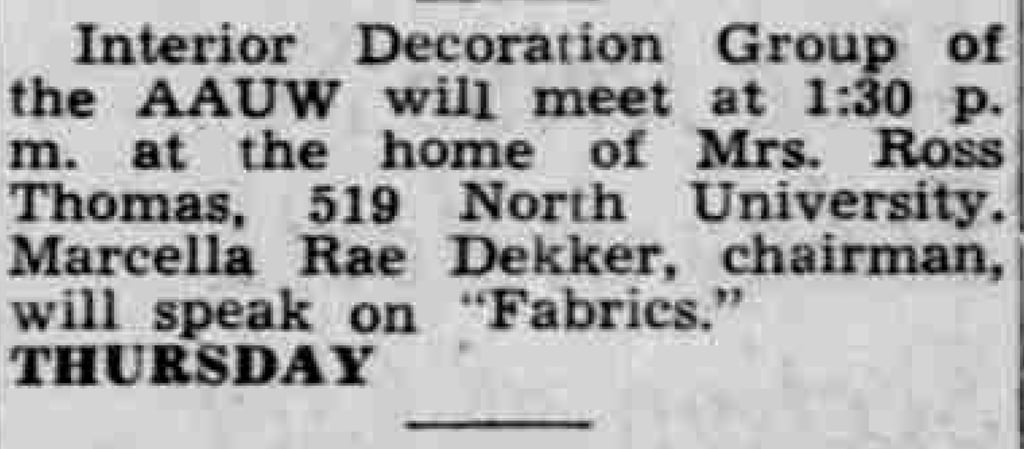
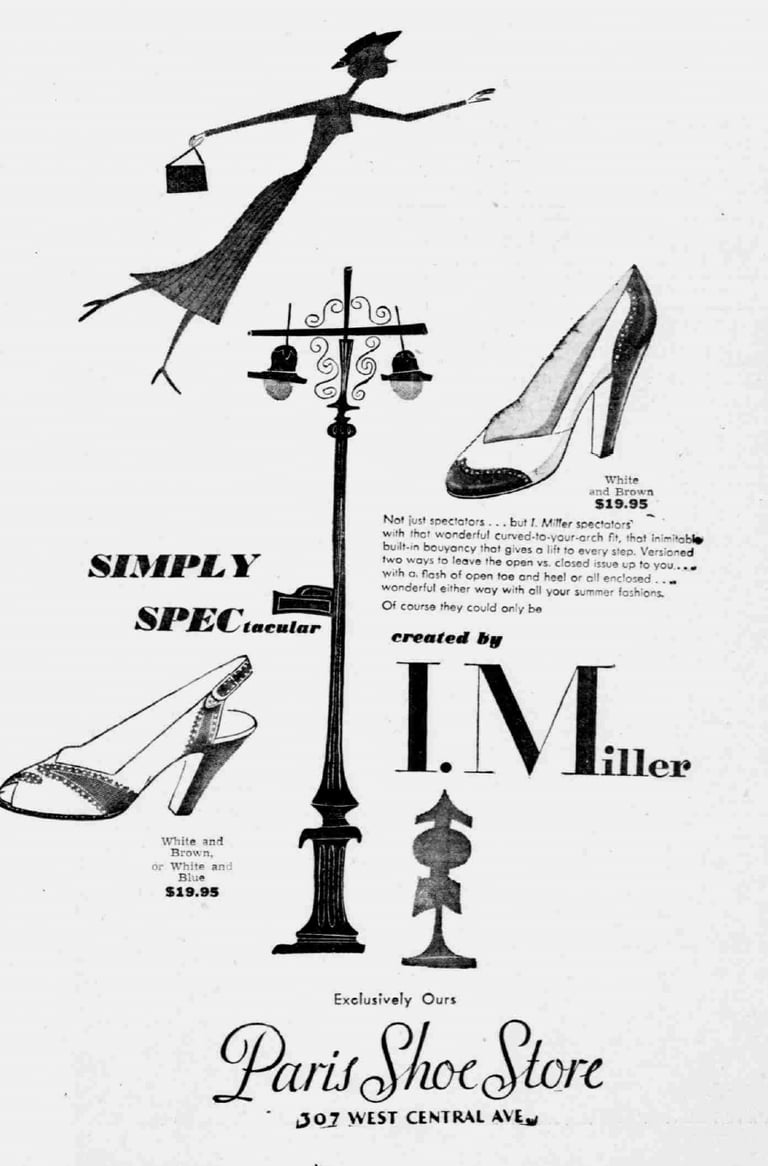
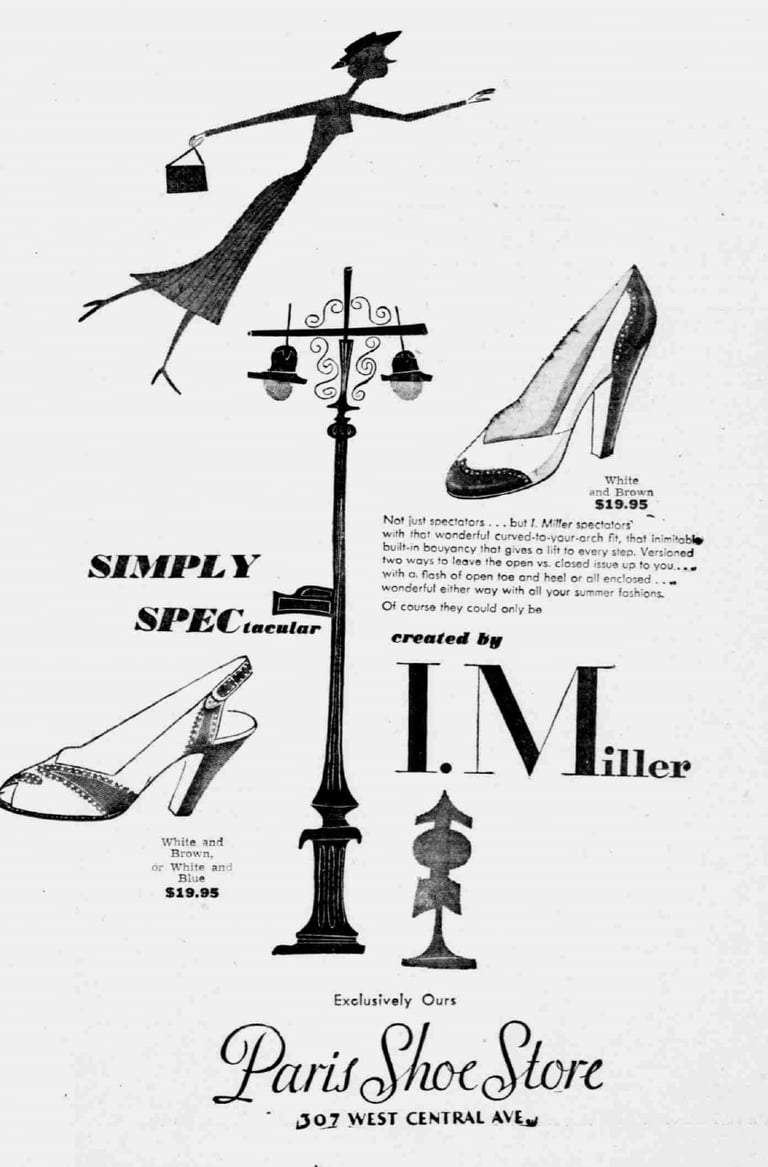
Another notice (not shown) from May 1949 mentions her participation in a presentation on “Accessories.”On that same “Woman’s World” newspaper page, an elegant advertisement for a local Paris Shoe Store appears—an echo of the polished, aspirational femininity of the time and a fitting visual companion to Marcella’s talk on the finishing touches that make a room feel complete.
Cosmopolitan Woman’s Club and Community Life
By the 1960s, Marcella was volunteering with the Cosmopolitan Woman’s Club, a NM chapter of an international service organization founded in 1890 under the motto “Unity in Diversity.” The group’s members focused on improving lives and strengthening communities through projects like hunger relief, education, and advocacy, while also building leadership skills and enduring friendships.


It’s easy to imagine Marcella driving away from the Dekker House to yet another meeting or fundraising event, leaving behind cooling cookie sheets on the kitchen counter as she moved between home, church, and civic commitments.
The Dekker House as Everyday Stage
On September 5, 1969, Marcella appeared in the Woman’s World section of the Albuquerque Journal in an article celebrating her cookie‑making talents and the teenage boys—especially her 13‑year‑old twin sons and their friends—who happily devoured them. The feature shared several of her recipes, including Millionaire Bars, Special Oatmeal Cookies, and Brown and White Sugar Cookies.
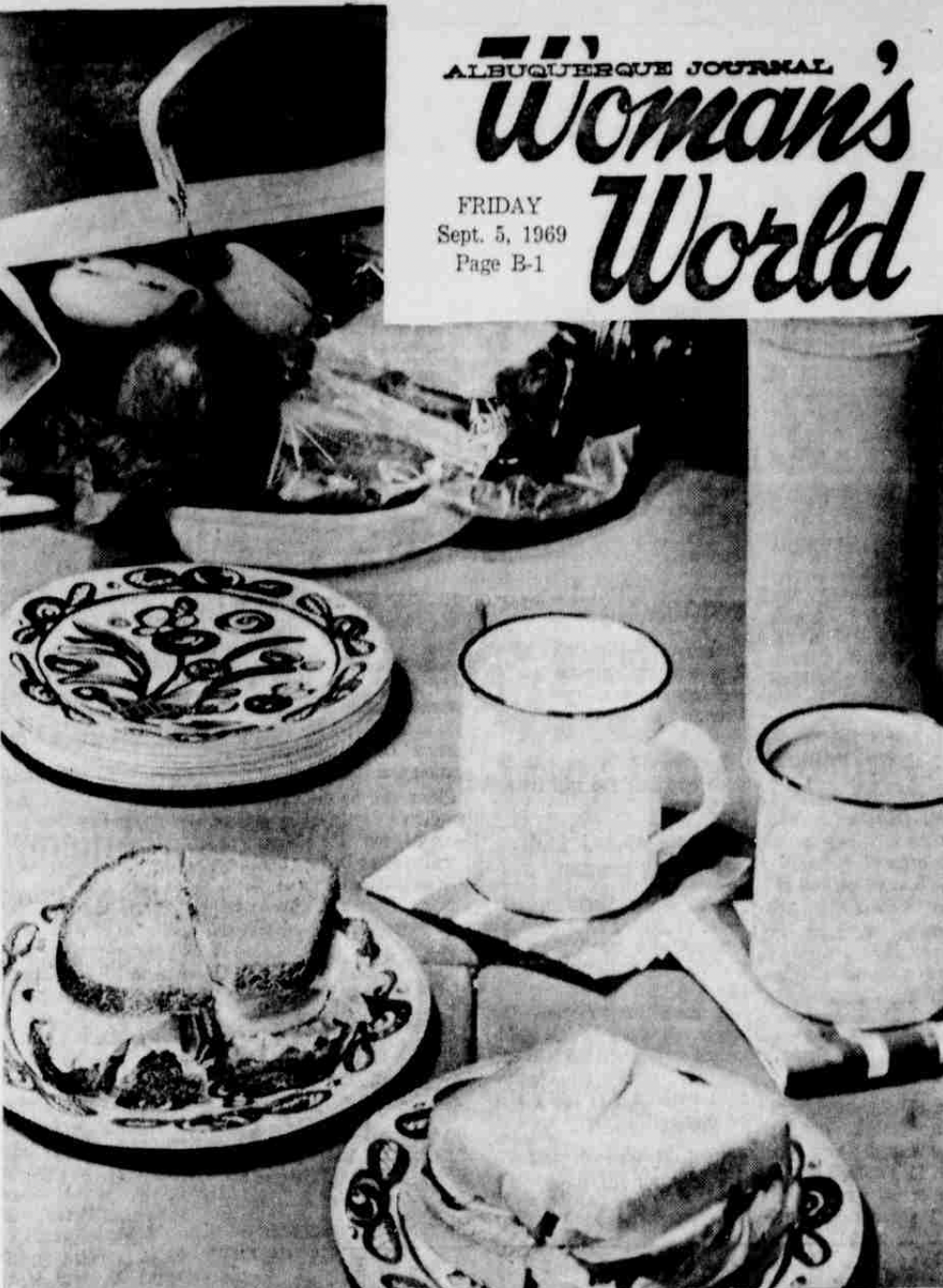
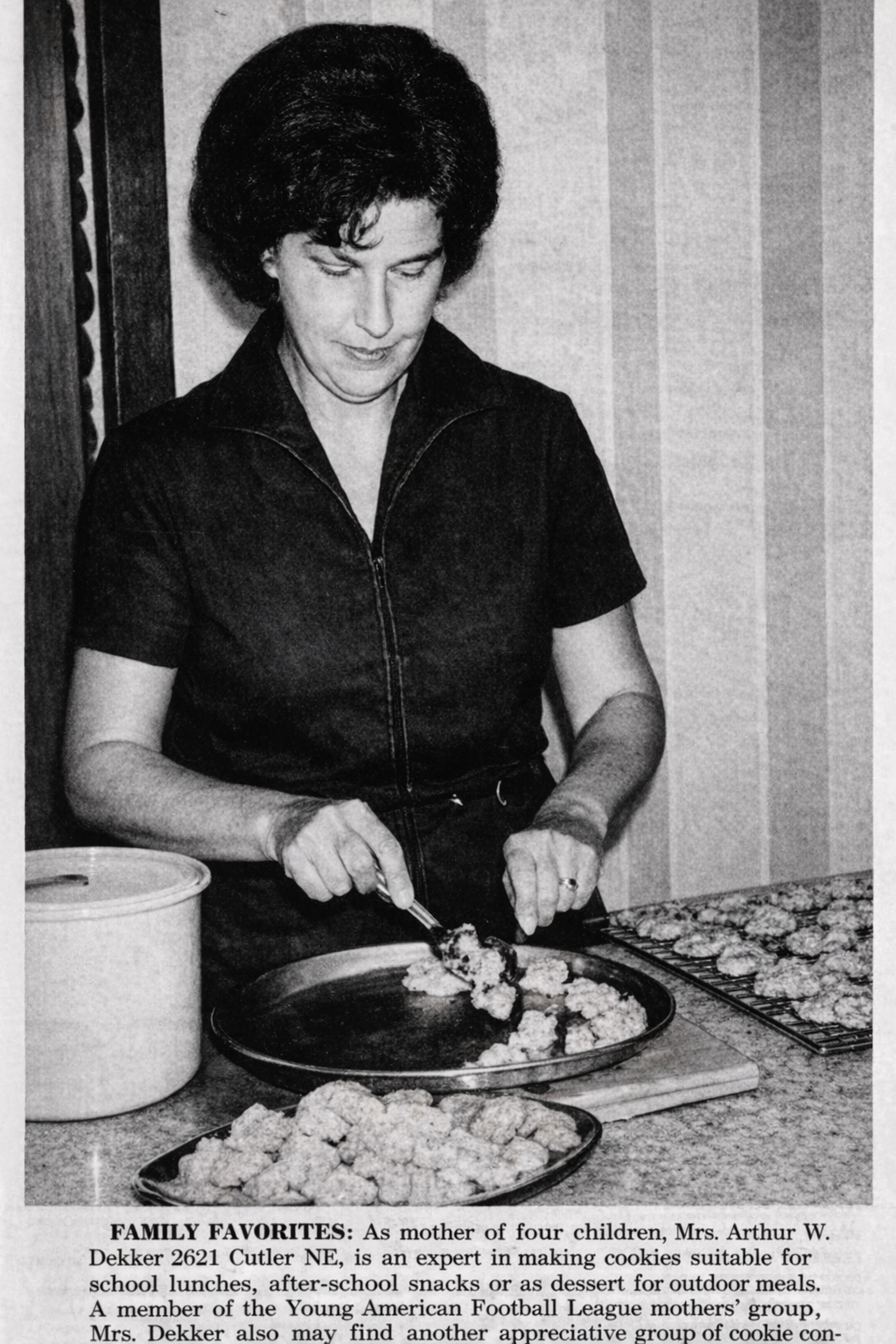
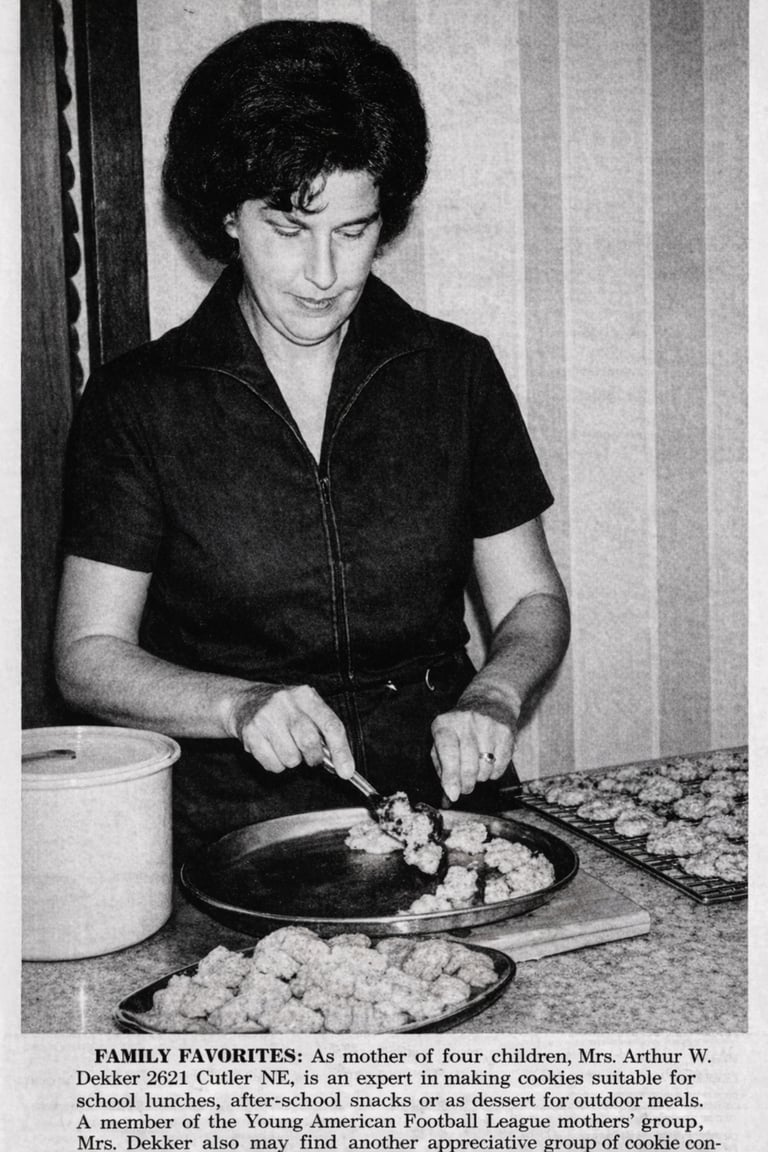
One of my favorite images is a photo of Marcella preparing cookies in the very kitchen where I now stand each day, 57 years later. A few years ago, when I spoke with one of her sons (Dale), he fondly remembered gathering with his siblings around this kitchen counter, sharing countless meals and snacks in the heart of the house.
The same article noted Marcella’s involvement with the Young American Football League mothers’ group, the Monte Vista Christian Church, and several of the women’s organizations already mentioned. The Dekker House wasn’t just a showpiece of midcentury modern design; it was a busy backdrop for homework, practice schedules, church events, and neighborhood life.
Beside the Architect
As Arthur’s reputation as an architect grew, Marcella stepped into yet another role: co‑host, organizer, and social counterpart to his professional life. The Dekker House, along with the Tennis Club and the Albuquerque Country Club, became settings for dinners, receptions, and gatherings where clients, colleagues, and visiting architects were entertained.
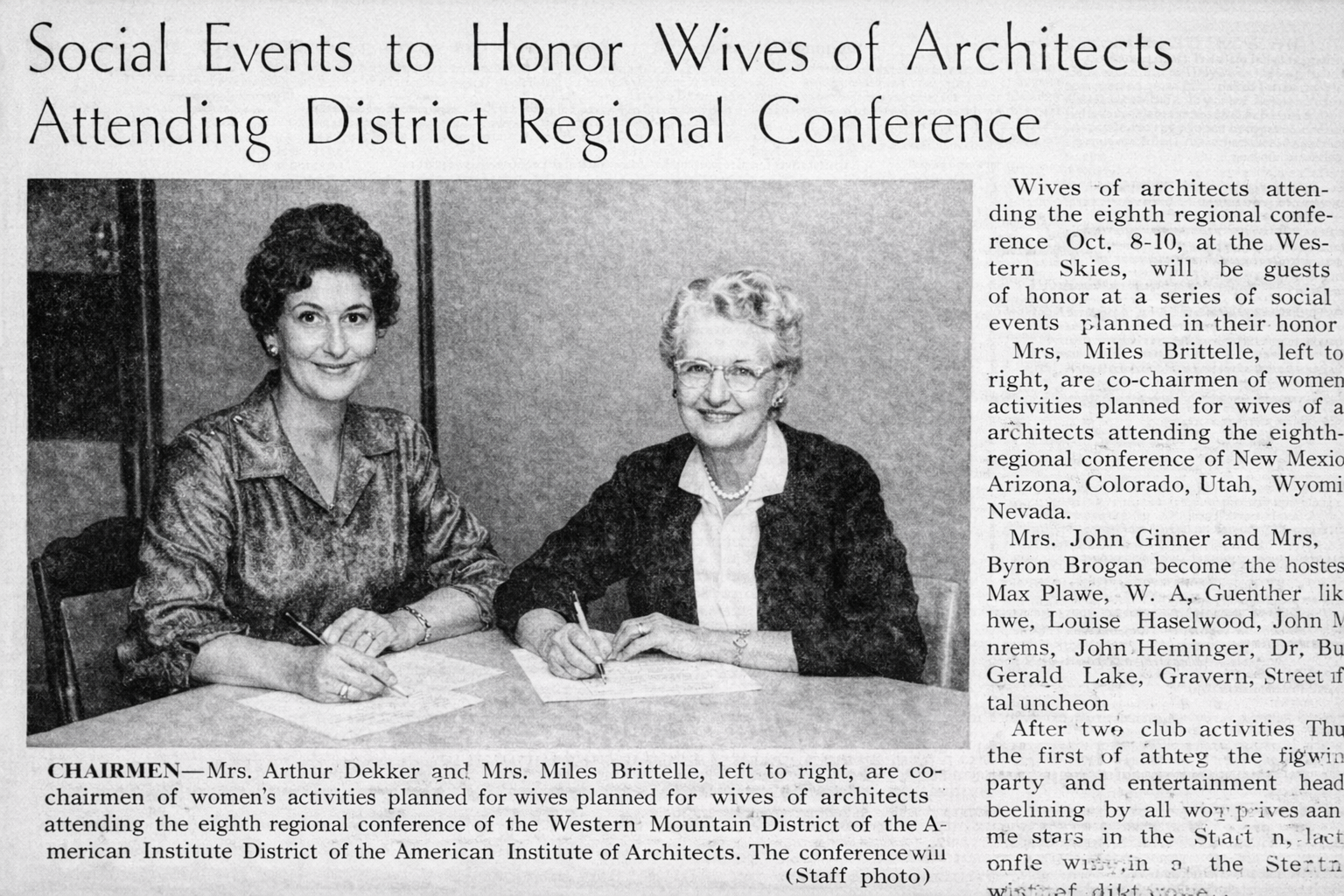
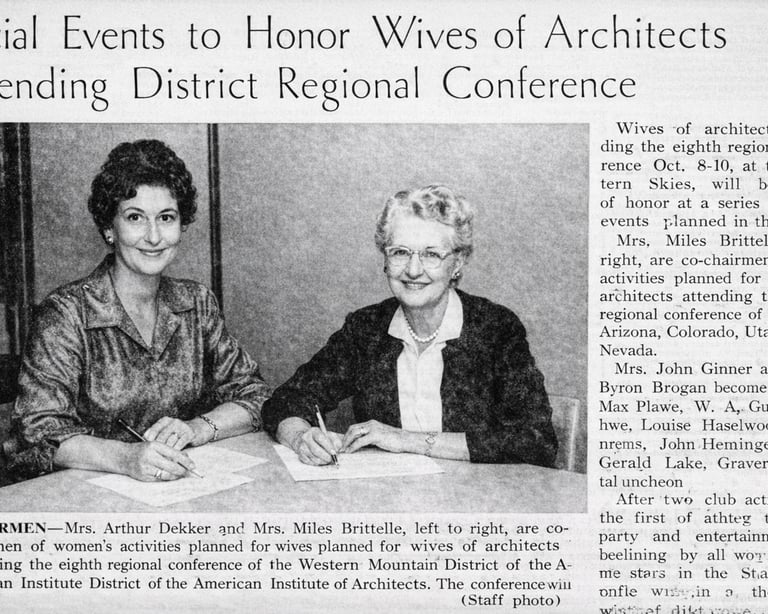
One article highlights her as a co‑host of multiple events honoring the wives of architects attending a regional conference. Reading between the lines, it seems clear that these wives were the ones orchestrating much of the planning and logistics, even as they were officially “guests.” Marcella’s quiet leadership helped shape the social world that surrounded her husband’s career.
An Honorable Life in the Dekker House
The Dekker family lived in the house from the mid‑1960s until about 1980, when they moved to another nearby home. Marcella Rae Dekker passed away in December 1998 at age 77, after 52 years of marriage to Arthur.
When I first set out to write this blog, my plan was to focus on the parties, receptions, and social gatherings that once filled these rooms. But the more I learned about Marcella, the more it felt essential that she—and her well‑lived life—take center stage.
Today, as I move through the house, I feel a growing sense of connection to her. I picture Marcella baking pan after pan of cookies for family, friends, and church events, the air rich with butter (or maybe margarine at the time) and sugar as midcentury music drifts through the rooms.
With her education and eye for design, I imagine she left an unmistakable mark on the interiors: thoughtful color choices, well‑chosen fabrics, and furnishings that balanced the novelty of modern architecture with the practicality of life with four children and a husband whose home office and blueprint room were part of the daily scenery.
The Dekker House has continued to evolve, and I do my best to care for it and to make design choices that honor both its architecture and the life that once unfolded here. I can only hope that if Marcella Rae Dekker could step back into her kitchen and living room today, she would recognize her influence—and approve of the way her story continues to be told within these walls.
_________________________
Sources:
Albuquerque Journal, 10/12/48, 11/7/48, 5/8/49, 10/4/59, 9/5/69, 12/26/96 12/26/98; https://gfwcnm.com/